-
Sentinel-3C returns its first views of Earth
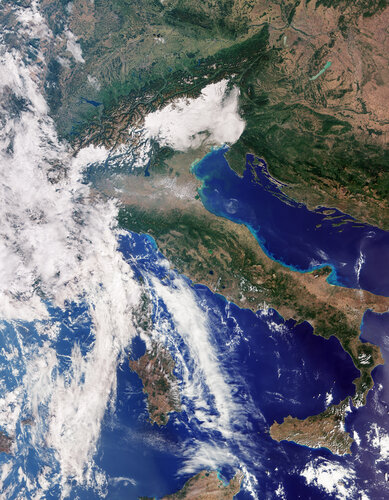
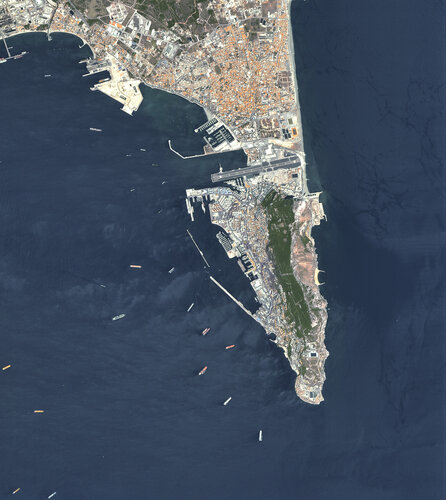
Just two weeks after it was launched, the Copernicus Sentinel-3C satellite returned its first images and measurements from two of its key instruments – a major milestone that confirms the satellite is working well and on the road to monitoring the health of Earth’s oceans, land, cryosphere and atmosphere.
-
Introducing ESA’s Earth Virtual Expert
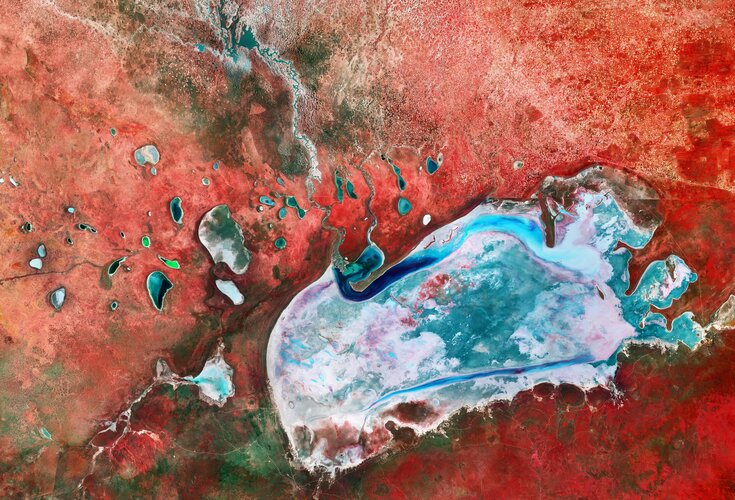
The European Space Agency (ESA) has released Earth Virtual Expert (EVE), a platform powered with Artificial Intelligence (AI), to make Earth observation information more accessible and easier to understand. Built on trusted scientific sources and created to answer questions, EVE brings complex research, data and expertise closer to researchers, policymakers, journalists and the wider public.
-
Apply for the Ladybird Guide to Spacecraft Communications 2027
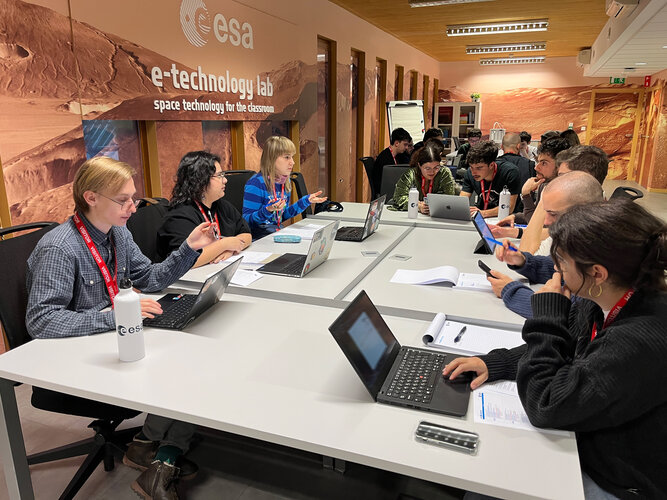
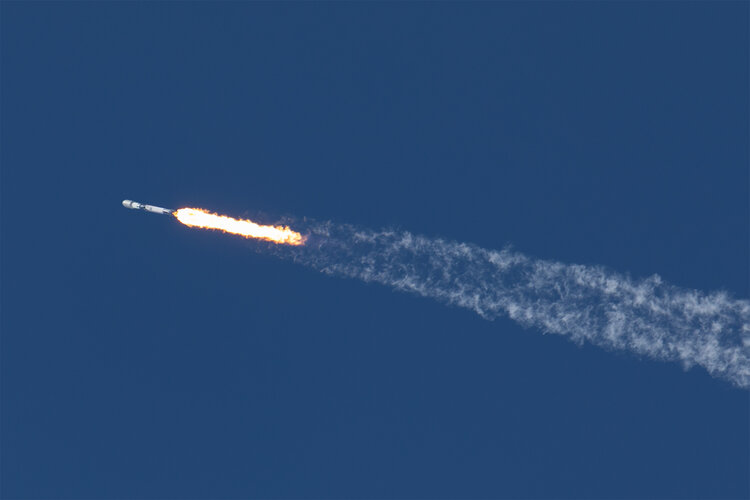
ESA’s Education Office is looking for 30 motivated engineering students to take part in the 11th edition of the Ladybird Guide to Spacecraft Communications Training Course. This edition will be held at the ESA Academy’s Training & Learning Facility at ESA ESEC, Transinne, Belgium, from 1 to 5 February 2027.
-
EarthCARE’s view of volcanic plume boosts air safety
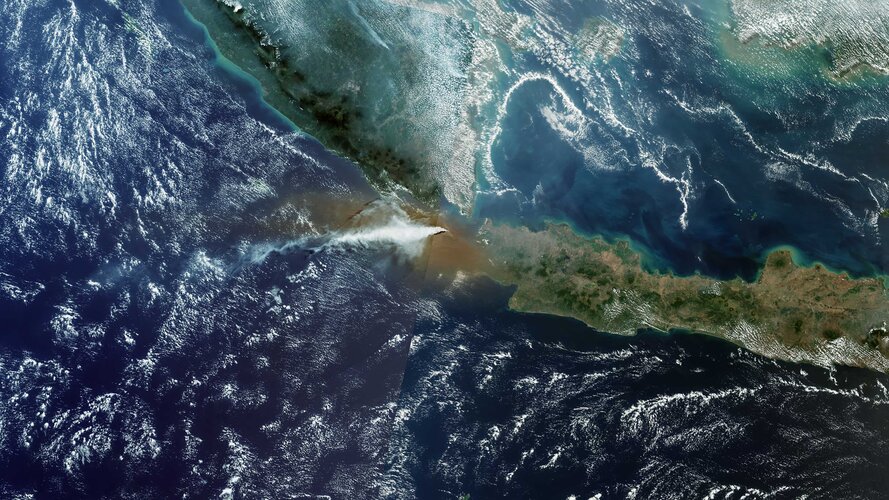
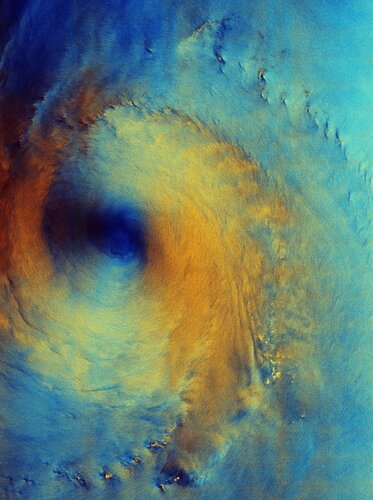
When Anak Krakatau erupted a few weeks ago, the European Space Agency’s EarthCARE satellite, orbiting above, captured vertical profiles of different constituents within the volcanic plume. Designed primarily to advance our understanding of how clouds and aerosols influence Earth’s climate, here EarthCARE also provided valuable information to support safe air travel. At the same time,…
-
Cassini Hackathon 2026
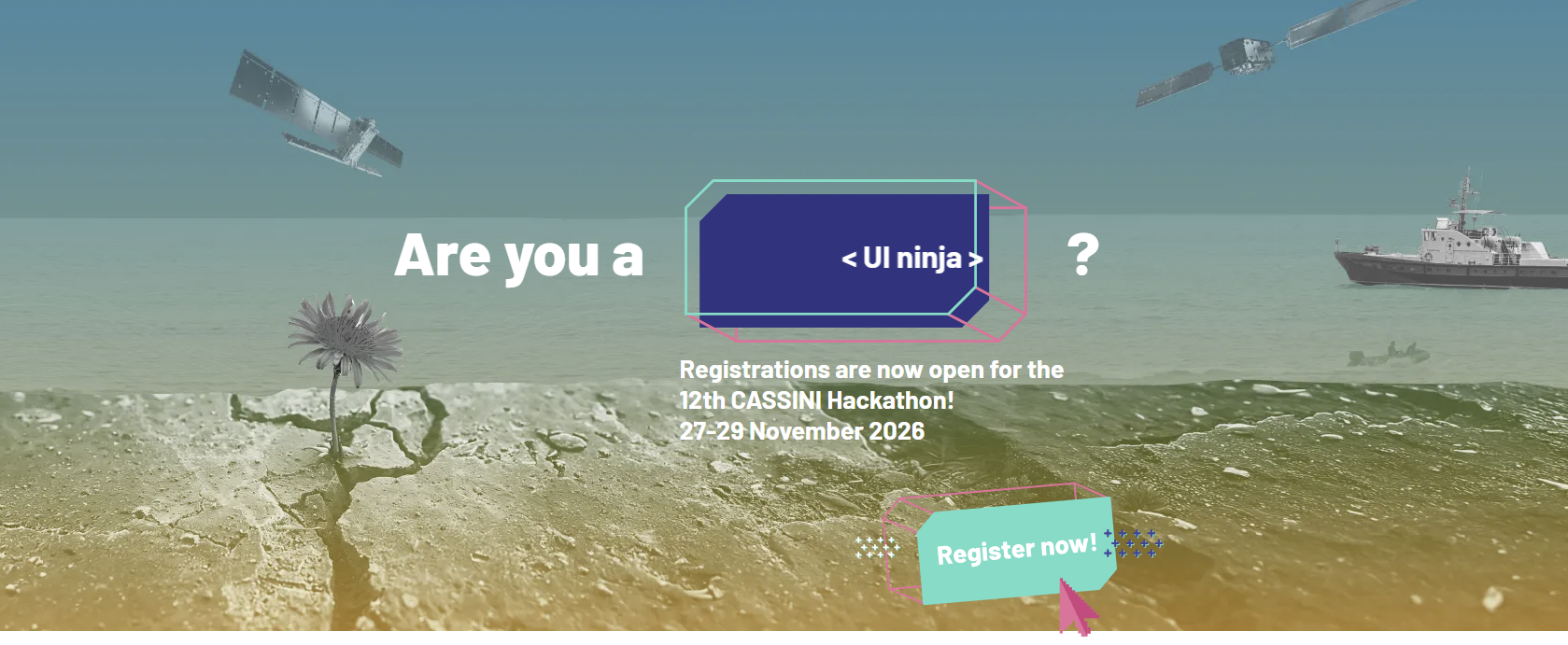
Opið er fyrir skráningu í CASSINI Hackathon – EU Space for Peace and Resilience, sem fer fram 27.–29. nóvember 2026 á nokkrum stöðum í Evrópu. Hackathonið snýst um að þróa nýjar lausnir með evrópskri geimtækni og gögnum, meðal annars frá Copernicus, Galileo og EGNOS. Áhersla er á netöryggi, viðbrögð við krísum og samfélagslegt viðnámsþol, auk…
-
Apply for Space Technology and Commercialisation Workshop 2027
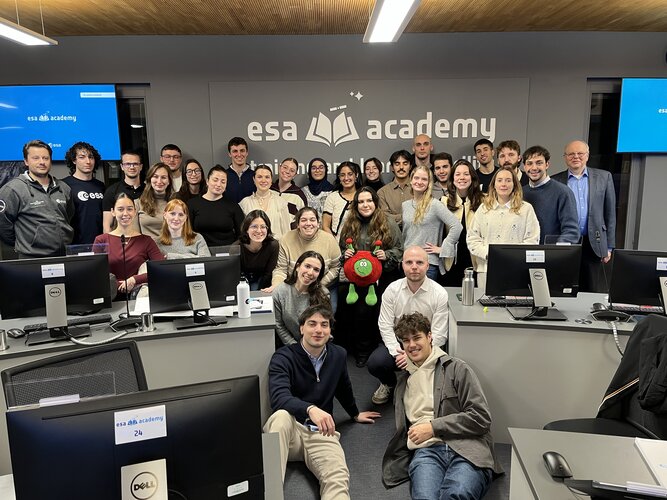
ESA Academy is now accepting applications from university students for the Space Technology and Commercialisation Workshop. Developed in close collaboration with the ESA Commercialisation Department, the workshop will be held at the ESA Academy’s Training & Learning Facility in ESEC, Transinne, Belgium, from 18 to 22 January 2027.