-
Apply for the Space Debris Training Course
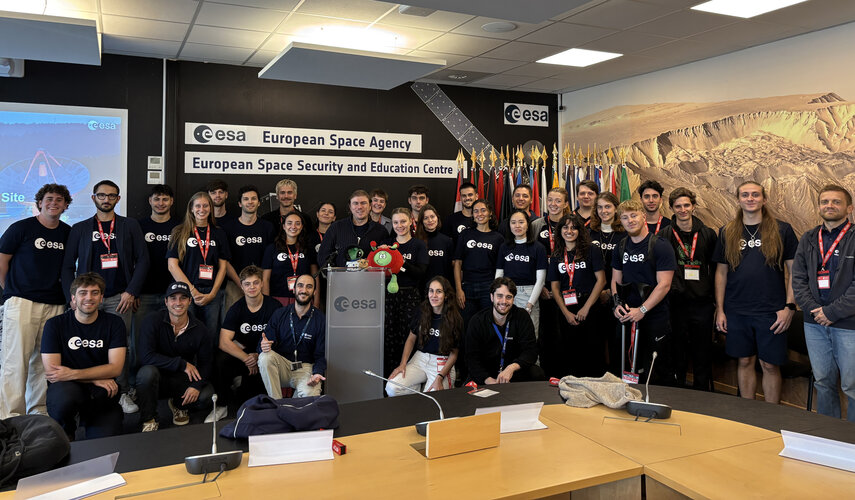
Space debris is a threat to our satellites and spacecraft and contributes to near-Earth space pollution. To help raise awareness of this issue, ESA’s Education Office is organising the 9th edition of ESA Academy’s Space Debris Training Course. The Training Course will be held at ESA Academy’s Training and Learning Facility at ESA ESEC-Galaxia, Transinne, Belgium, between 21…
-
Apply for the Access to Space Training Course
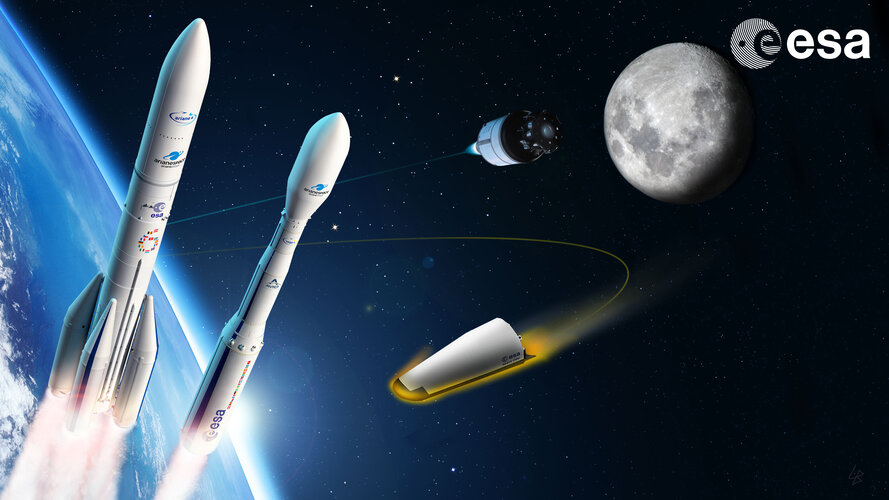
University students can now apply for the 2026 edition of the Access to Space Training Course, which will be held from 19 to 23 October 2026 at ESA ESEC in Belgium. Organised by ESA Academy in collaboration with the ESA Space Transportation Directorate, this course will explore how and why the European Space Agency (ESA)…
-
ESA Academy Student Associations Outreach Initiative

The ESA Academy Student Associations Outreach Initiative offers a structured framework for cooperation with student associations active in space or space-related fields. Through this initiative, associations can support the dissemination of ESA Academy opportunities to their communities and benefit from visibility through ESA Academy communication channels.
-
Satellite teams wanted for Design Booster
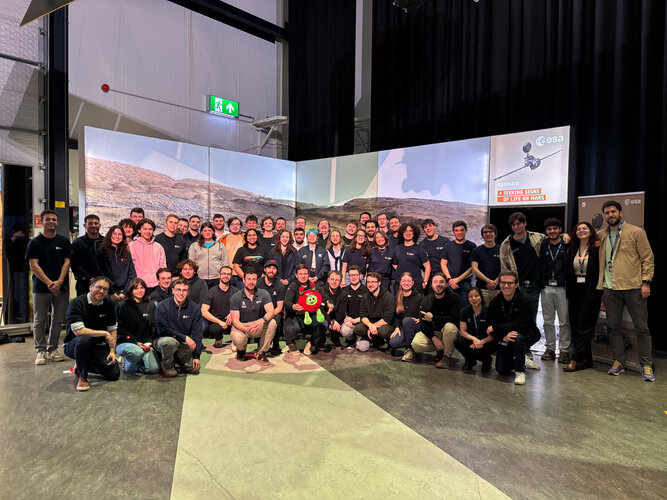
Would you like the opportunity to design your own small satellite with the support of experienced space professionals? Can you imagine interacting directly with ESA experts and receiving tailored feedback to refine and strengthen your mission concept? If so, apply to the new edition of the Design Booster programme. The application deadline is 2 October…
-
Da Vinci team puts satellite payloads to the test
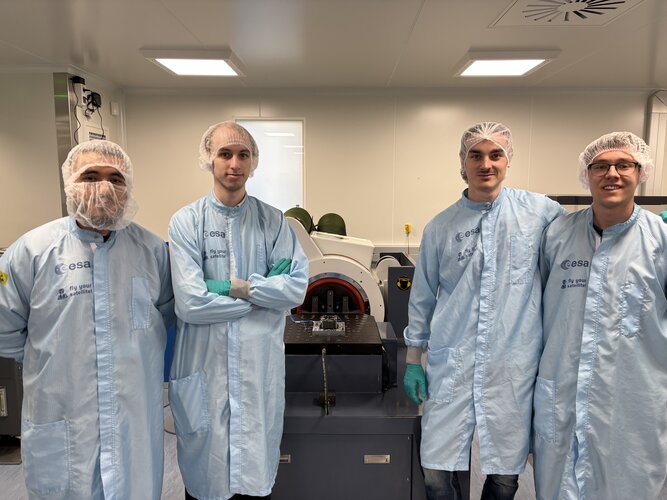
A student-built satellite mission has taken an important step toward flight readiness. From 13 to 24 April 2026, the Da Vinci team from TU Delft, the Netherlands, has carried out a vibration environmental test campaign of its educational payloads, DICE and Bitflip, at ESA’s CubeSat Support Facility in ESA ESEC-Galaxia, Belgium. Conducted as part of ESA’s Fly Your Satellite! 4 programme, the campaign provided…