-
OBSERVER: FPCUP – Seven years of strengthening Copernicus uptake across Europe and beyond
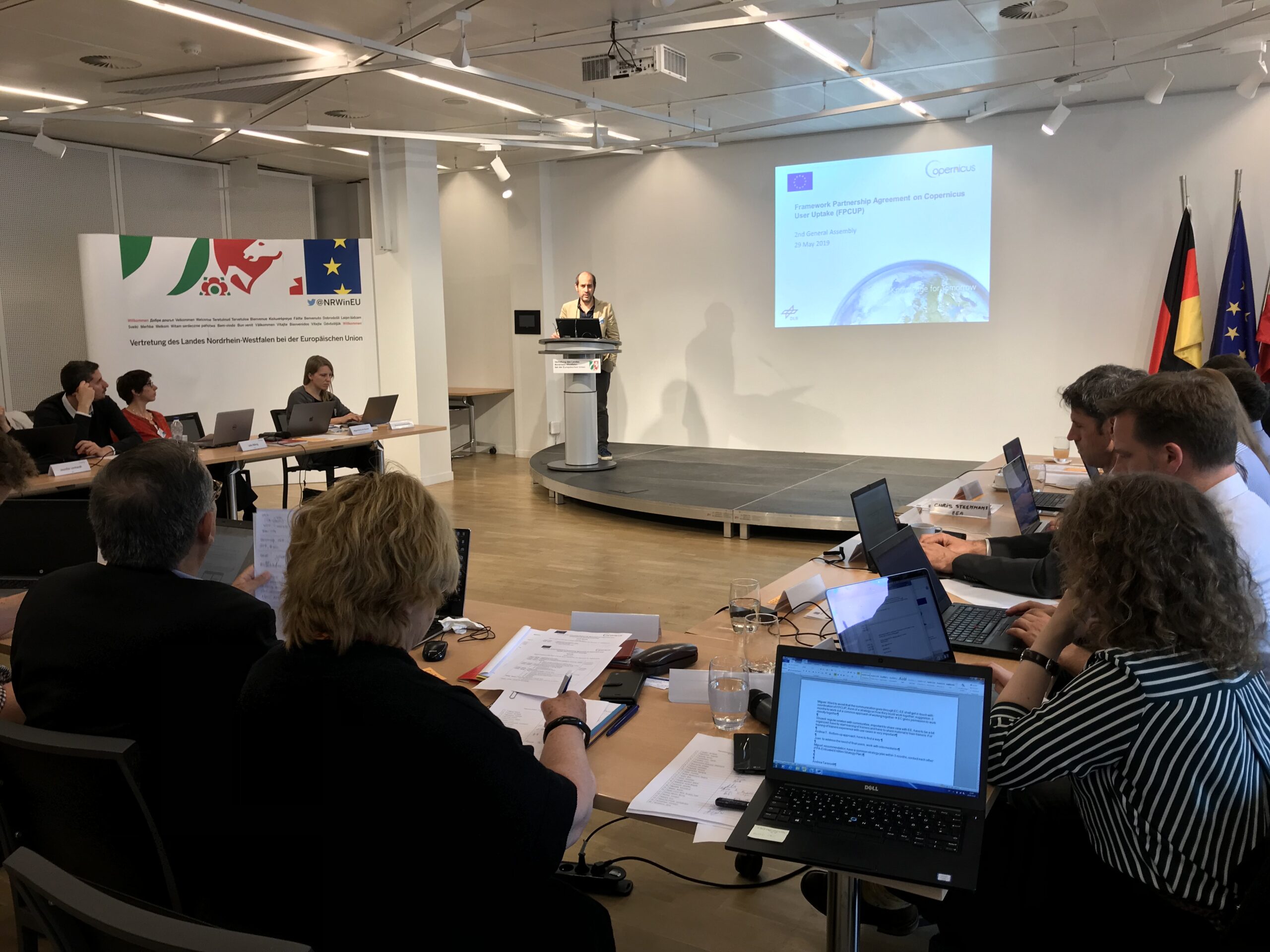
OBSERVER: FPCUP – Seven years of strengthening Copernicus uptake across Europe and beyond sonia Thu, 23/10/2025 – 12:55 Over the past seven years, the Caroline Herschel Framework Partnership Agreement (FPCUP) has strengthened the connection between the European Union’s Earth Observation programme and its user community. Through more than 220 actions carried out by 50 partners…
-
Sentinel-4 offers first glimpses of air pollutants
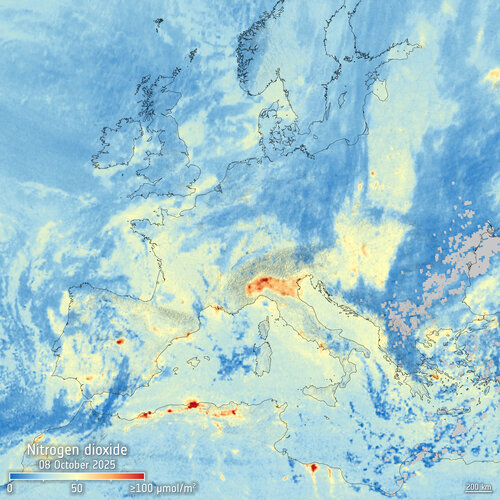
The new Copernicus Sentinel-4 mission has delivered its first images, highlighting concentrations of atmospheric nitrogen dioxide, sulphur dioxide and ozone. Despite being preliminary, these images mark a major milestone in Europe’s ability to monitor air quality all the way from geostationary orbit, 36 000 kilometres above Earth.
-
SKYWALKER tests robotic crawling at ESTEC
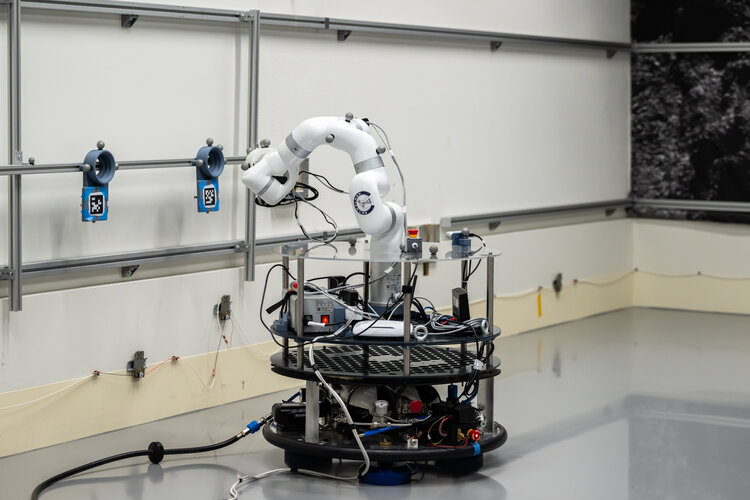
As part of the ESA Academy Experiments programme, the SKYWALKER student team from Aalborg University, Denmark, successfully tested a smart algorithm to help a robotic arm on a floating platform move in microgravity-like conditions. The test campaign took place in late September 2025 at ESA ESTEC’s Orbital Robotics Lab. This work is paving the way…
-
6th edition of the contest for the best satellite image of Earth

6th edition of the contest for the best satellite image of Earth sonia Fri, 17/10/2025 – 17:44 The annual international contest ‘Seize the beauty of our Planet’ recognizes the most beautiful satellite images of the Earth. This year’s theme is Cities and nature. It is the 6th time that CloudFerro, a Copernicus Ambassador, is inviting…
-
OBSERVER: Air Quality Challenges in 2025: Europe’s Summer of Smoke, Dust and Ozone
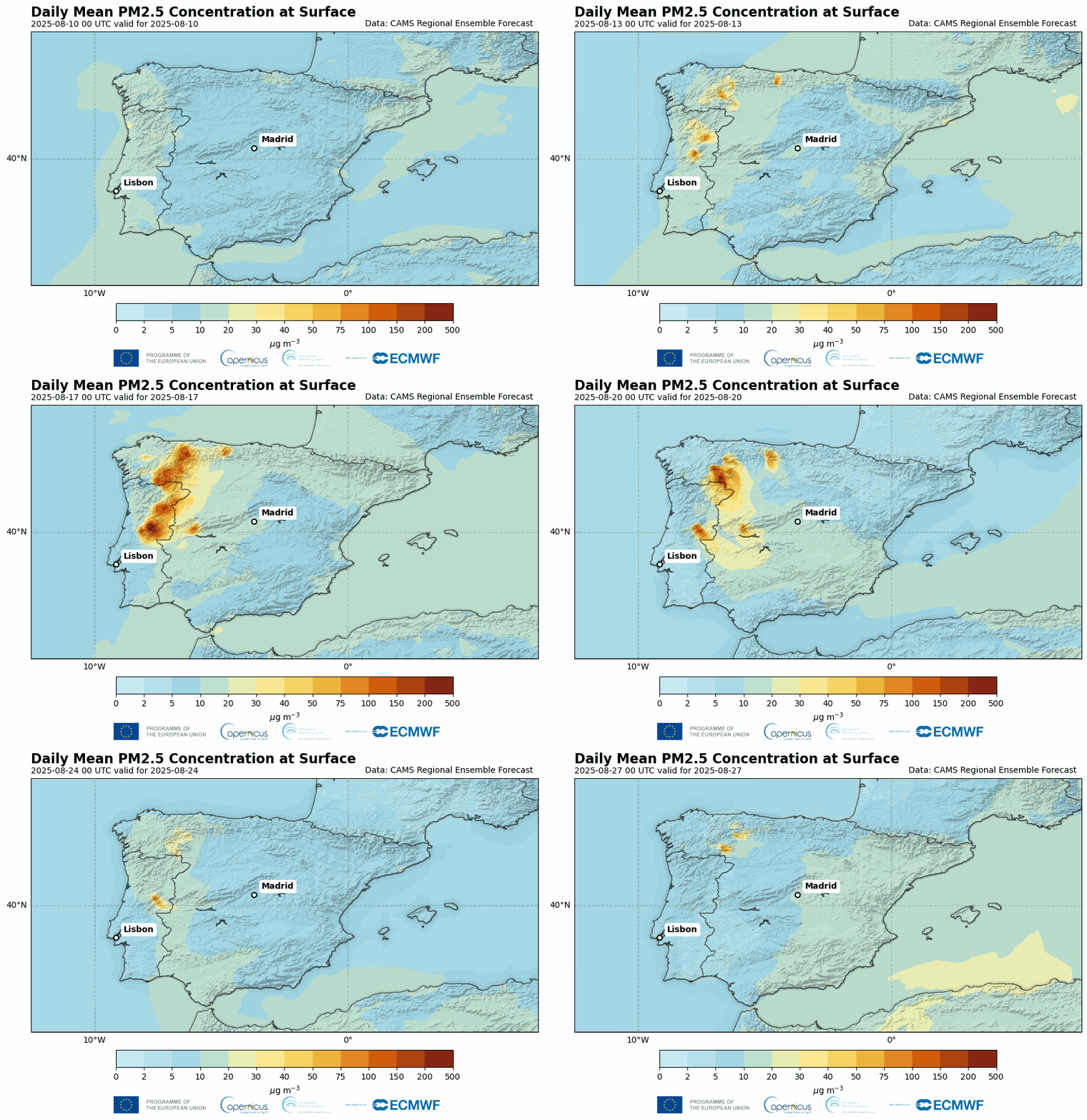
OBSERVER: Air Quality Challenges in 2025: Europe’s Summer of Smoke, Dust and Ozone sonia Wed, 15/10/2025 – 17:05 The summer of 2025 significantly affected Europe’s atmosphere. From record-breaking wildfires in southern and western Europe, to intense Saharan dust intrusions and repeated peaks in surface ozone during prolonged heatwaves, air quality was negatively impacted by multiple…
-
Swarm reveals growing weak spot in Earth’s magnetic field
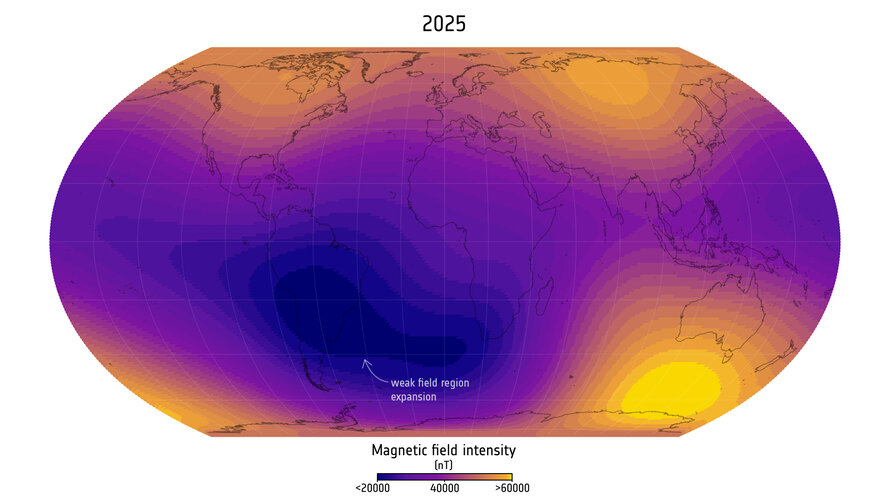
Using 11 years of magnetic field measurements from the European Space Agency’s Swarm satellite constellation, scientists have discovered that the weak region in Earth’s magnetic field over the South Atlantic – known as the South Atlantic Anomaly – has expanded by an area nearly half the size of continental Europe since 2014.