-
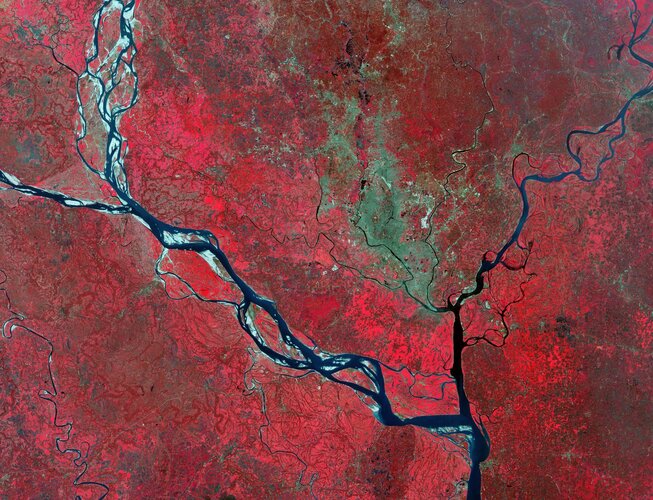
ESA’s HydroGNSS on track to scout for water
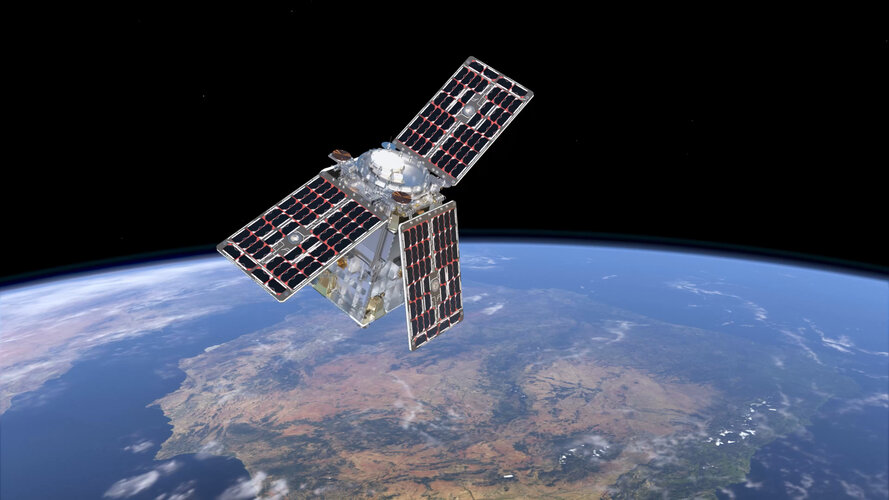
Just three months after launch, the European Space Agency’s twin HydroGNSS satellites are already proving their capabilities in orbit. By exploiting reflected signals from navigation satellites – the sophisticated technique they use to generate Delay Doppler Maps in order to ‘scout’ for water across Earth’s surface – these compact satellites are beginning to reveal the…
-
Iceland joins Phase II of the CLMS National Collaboration Programme

Ísland tekur þátt í öðrum áfanga National Collaboration Programme CLMS Í mars 2026 undirritaði Ísland viljayfirlýsingu um þátttöku í öðrum áfanga National Collaboration Programme (NCP) á vegum Copernicus Land Monitoring Service (CLMS), sem er samræmt af Umhverfisstofnun Evrópu (EEA). Með þátttökunni gengur Ísland til liðs við 20 ríki sem vinna saman að því að efla…
-
Hellenic Fire System moves a step closer to launch
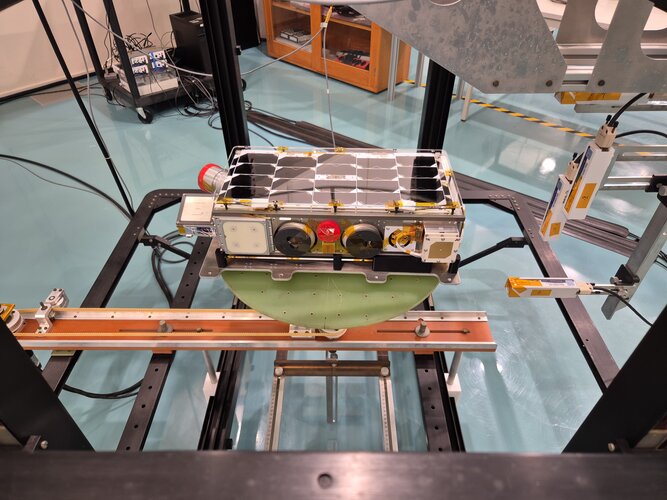
Following the launch of two radar satellites for Greece at the end of last year, four infrared imaging satellites dedicated to detecting and monitoring wildfires across the country are now being prepared for launch this spring. As part of the final preparations, these four CubeSats have recently undergone magnetic cleaning at the European Space Agency’s…
-
OBSERVER: How Copernicus supports cultural heritage monitoring and preservation worldwide
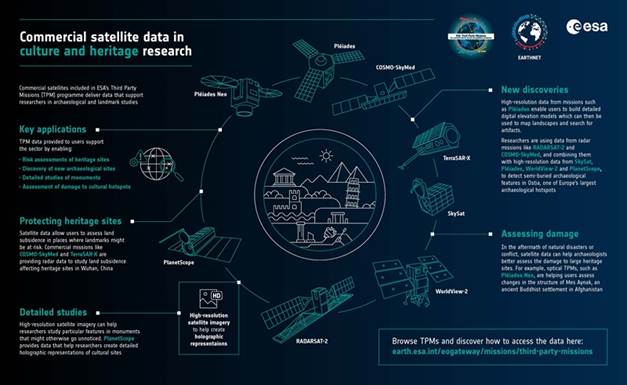
OBSERVER: How Copernicus supports cultural heritage monitoring and preservation worldwide sonia Thu, 05/03/2026 – 09:34 Across Europe and around the world, cultural and natural heritage sites face rising pressures from environmental change, urban development, natural hazards, illegal activities, and conflict. Satellite-based observations provide consistent, long-term information which helps authorities, researchers, and site managers understand how…
-
Apply for the Disruptive Innovation and Commercialisation in Earth Observation Training Course

Following the success of the 2025 pilot edition, ESA Academy opens applications for the second Disruptive Innovation and Commercialisation in Earth Observation Training Course. Whether you’re an engineer or scientist ready to launch a business, or a business mind curious to harness deep tech, this course blends theory and hands-on experience to bridge both worlds.…
-
Testing ozone-monitoring satellite’s solar wings
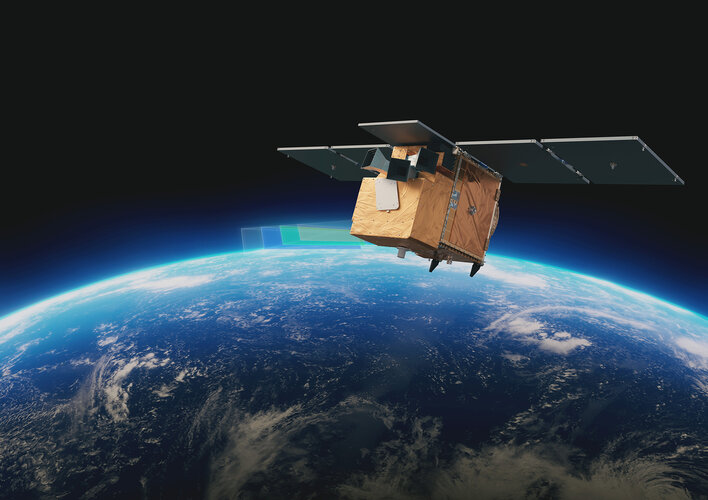
Over the past year, satellite engineers at Redwire Space in Belgium have been hard at work assembling European Space Agency’s ozone-monitoring satellite, ALTIUS. The team has now passed a major milestone: testing the deployment of the satellite’s two solar panels, a critical step in preparing it for life in orbit.