-
Meet FLEX
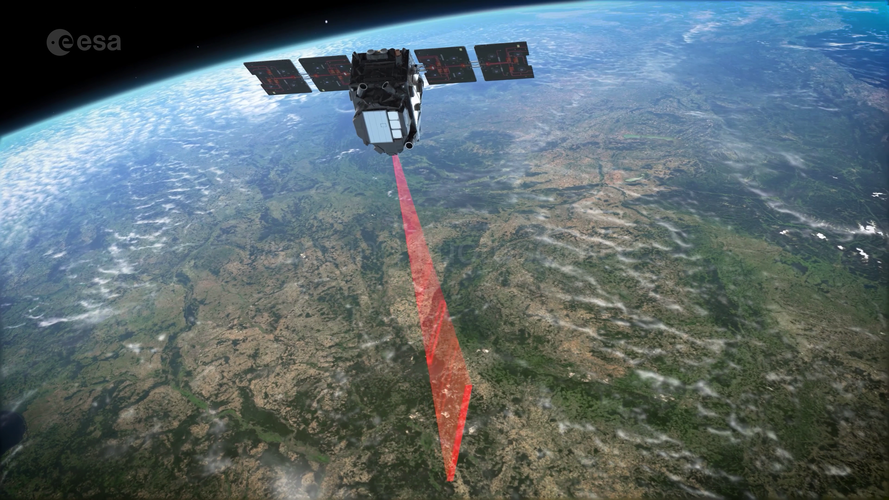
Video: 00:01:00 Using cutting-edge technology, ESA’s FLEX mission is designed to reveal new insights into how plants function by measuring the faint fluorescence they emit when they capture light during photosynthesis. Although invisible to the human eye, this signal changes with environmental conditions and plant health – allowing scientists to assess vegetation health, and stress.…
-
Ariane 6 launch with MTG-I2 – highlights
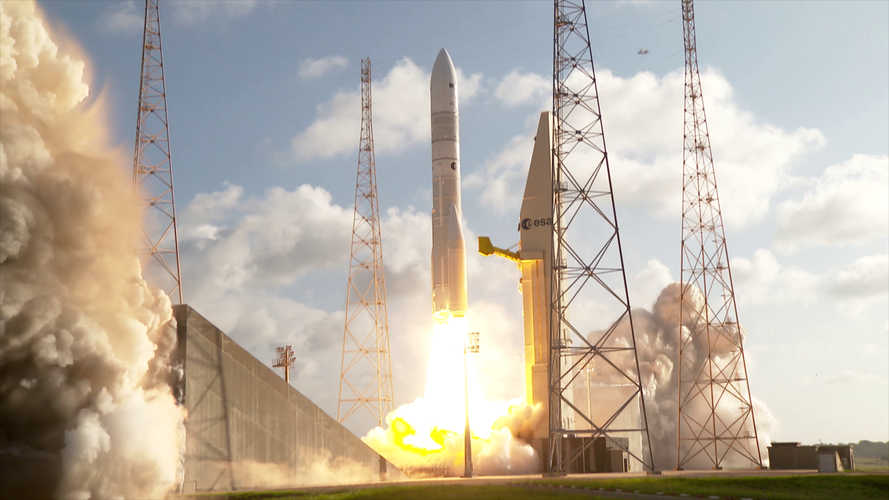
Video: 00:04:28 The Meteosat Third Generation-Imager2 (MTG-I2) satellite, has been launched on board an Ariane 6 launcher from Europe’s Spaceport in French Guiana. Liftoff was on 27 August 2026 at 22:11 CEST (17:10 local time). MTG-I2 is part of the MTG constellation for Eumetsat – two are already in orbit – and it will produce…
-
MTG-I2 completes Europe’s latest weather trio
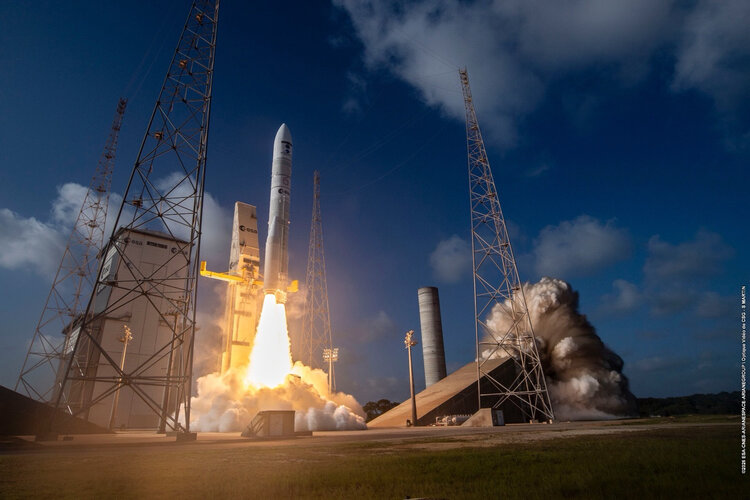
The second Meteosat Third Generation Imager satellite (MTG-I2) has been launched on board Ariane 6, flight VA270, from Europe’s Spaceport in French Guiana. It will complete the first family of MTG satellites, delivering data for weather forecasting over Europe and northern Africa with unprecedented quality, quantity and frequency.
-
MTG-I2 ready for launch
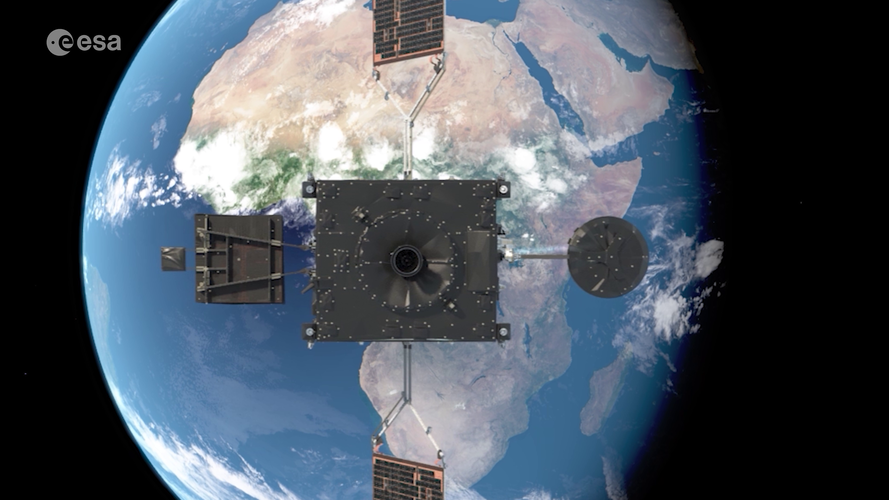
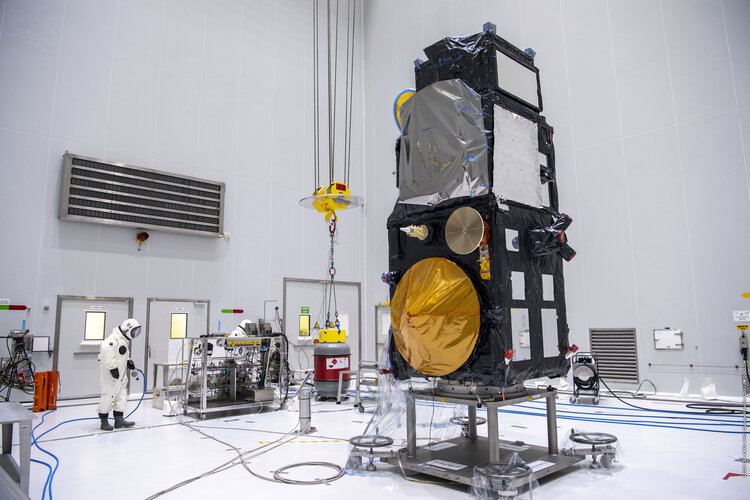
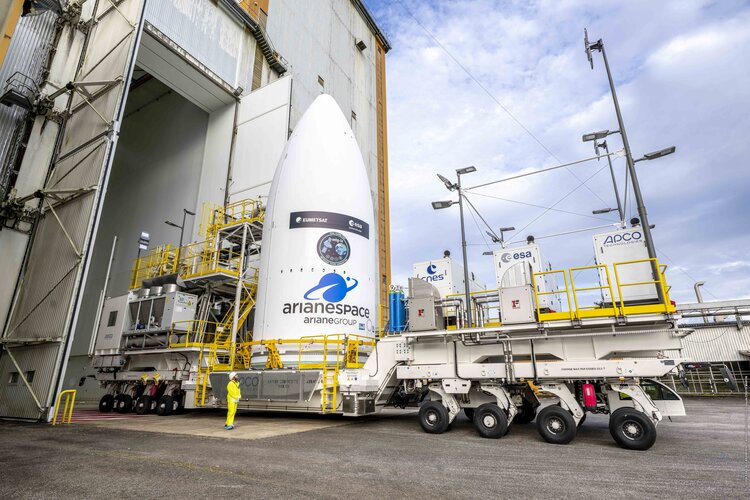
Video: 00:00:31 The Meteosat Third Generation-Imager2 (MTG-I2) satellite, is ready for launch on board an Ariane 6 launcher from Europe’s Spaceport in French Guiana. Lift off is scheduled for 27 August 2026 at 22:10 CEST (17:10 local time). MTG-I2 is part of the MTG constellation for Eumetsat – two are already in orbit. It will produce…
-
Apply for the first Space Policy in Action training course
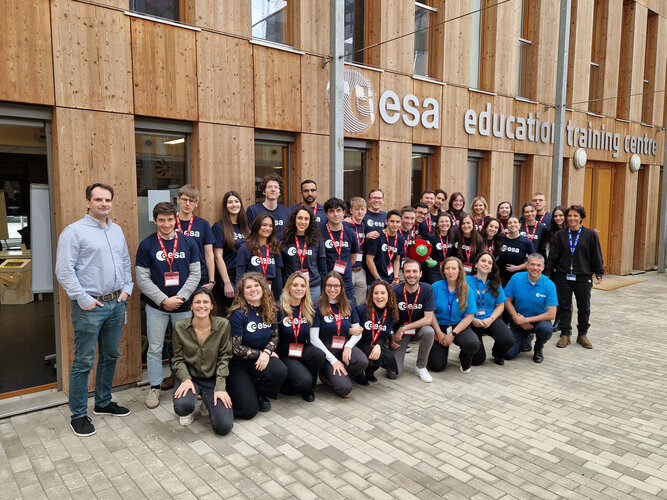
ESA Academy is now accepting applications from university students for the pilot edition of Space Policy in Action. Developed through a collaboration between the ESA Education Office, the DG Cabinet and the Directorate of Strategy, Legal and External Affairs, the course will take place at the ESA Academy Training and Learning Facility at ESA ESEC, Belgium, from…
-
Watch live: MTG-I2 set for liftoff
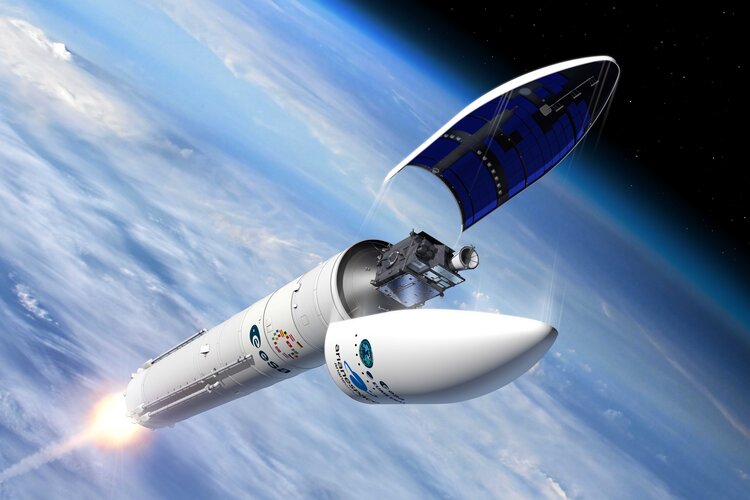
The next Meteosat Third Generation Imager satellite (MTG-I2) is set for liftoff on flight VA270 on an Ariane 6, from Europe’s Spaceport in French Guiana. It will complete the first family of MTG satellites, which will deliver data for weather forecasting over Europe and northern Africa in unprecedented detail. The launch will be broadcast on…