-
Watch: FLEX and Sentinel-3C launch on Vega-C
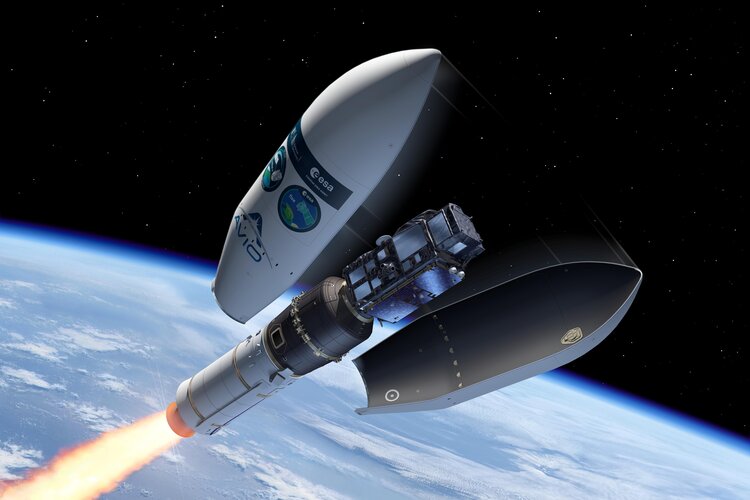
The European Space Agency’s FLEX satellite and the Copernicus Sentinel-3C satellite are scheduled to launch together aboard a Vega-C rocket on 15 September at 03:21 CEST (14 September at 22:21 local time). Watch the VV30 launch live from Europe’s Spaceport in French Guiana, with coverage starting at 02:50 CEST.
-
Media briefing ahead of FLEX and Sentinel-3C launch
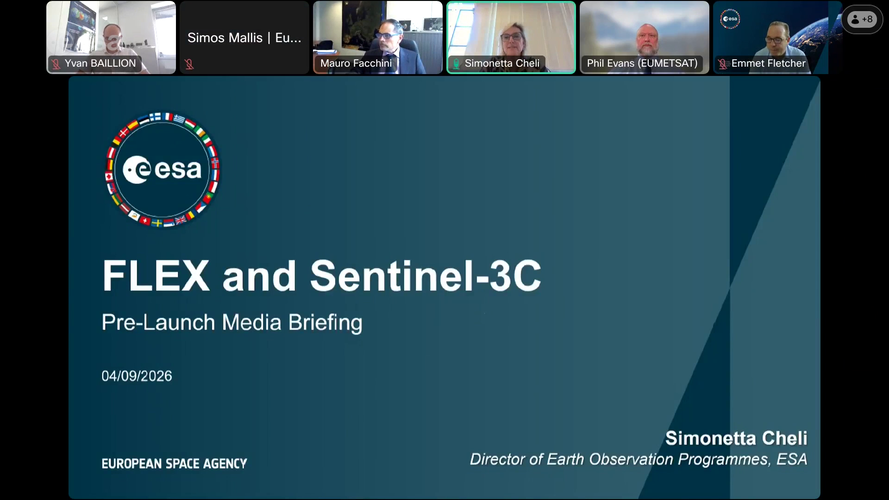
Video: 00:47:00 On 4 September 2026, media representatives joined an online briefing ahead of the launch of ESA’s FLEX and the Copernicus Sentinel-3C satellites. The two satellites are scheduled to launch together aboard a Vega-C rocket from Europe’s Spaceport in French Guiana on 15 September at 03:21 CEST (14 September at 22:21 local time). This…
-
Back to School 2026-2027: 5 school projects to engage your students in STEM
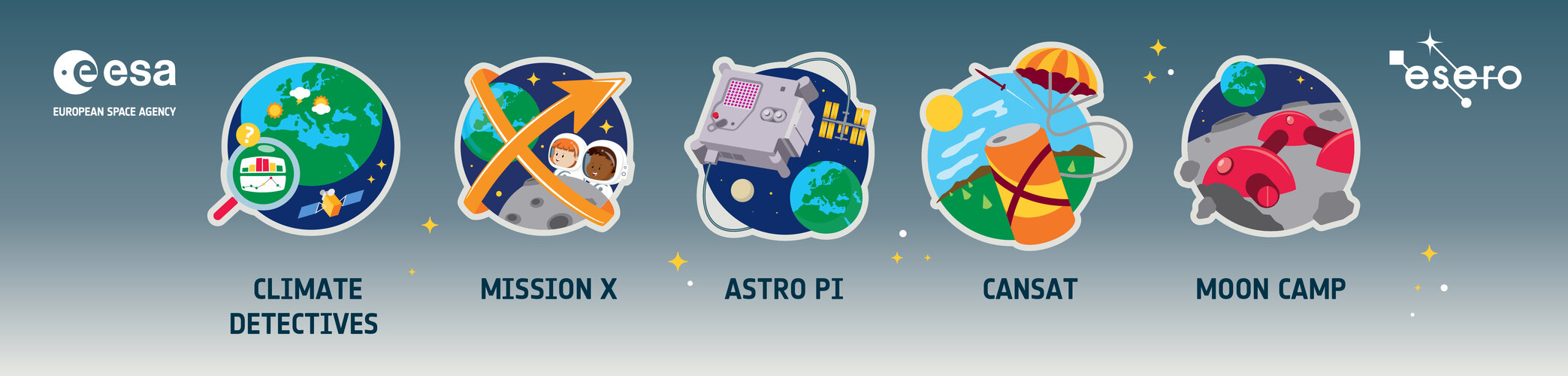
This year, take your students’ learning beyond the classroom and into space! Together with the ESERO network, ESA offers a range of interdisciplinary school-level projects designed to engage and inspire students with hands-on activities connecting space to STEM learning. Climate Detectives, Mission X, Astro Pi, CanSat and Moon Camp launch again this September and will…
-
How Sentinel-3 tracks climate change
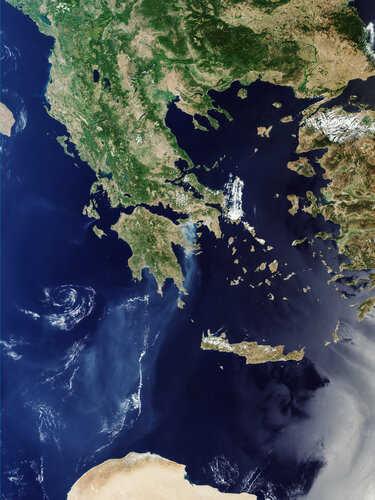
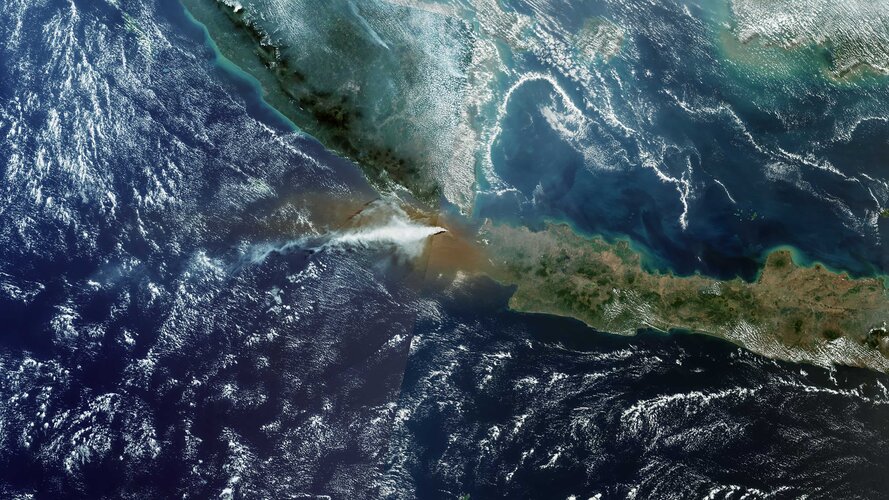
Copernicus Sentinel-3 is one of the most diverse missions for measuring and monitoring Earth’s climate systems. It captures a breadth of data about the environment and has contributed substantially to what we know about climate change over the past decade. The launch of the mission’s third satellite heralds the continuity of this vital source of…
-
FLEX and Sentinel-3C sealed within Vega-C fairing
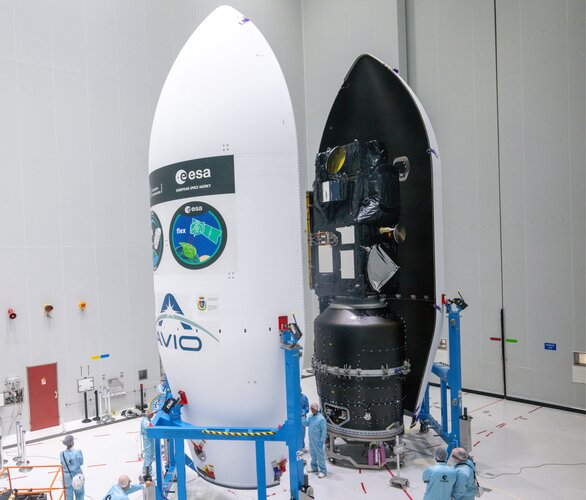
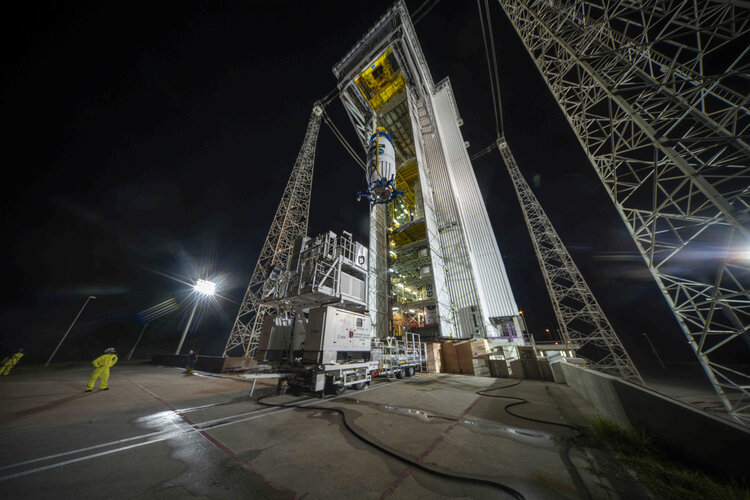
At Europe’s Spaceport in French Guiana, preparations for one of the year’s most anticipated Earth-observation launches are entering their final stages. FLEX and Copernicus Sentinel-3C have now been enclosed within the protective fairing of their Vega-C rocket, bringing the two satellites one step closer to their shared journey into space.